
# A Beginner’s Guide to sport.biz.id/category/fitness’>fitness Nutrition: Fueling Your Body for Success
Embarking on a new fitness journey is an exciting and empowering experience. You’ve laced up your sneakers, found a workout routine you enjoy, and are ready to tackle your goals. But there’s a crucial piece of the puzzle that many beginners overlook: nutrition. It’s the silent partner to your hard work in the gym, and it’s the key to seeing real, lasting results.
Think of your body as a high-performance vehicle. You wouldn’t put low-grade fuel in a sports car and expect it to run at its best, right? The same principle applies to your body. The food you eat is the fuel that powers your workouts, repairs your muscles, and helps you recover and grow stronger. Neglecting your diet can lead to stalled progress, fatigue, and even injury.
This isn’t about restrictive diets or complicated meal plans. It’s about understanding the basics of how food impacts your body and making simple, sustainable changes. This comprehensive guide will walk you through the fundamentals of fitness nutrition for beginners, helping you build a solid foundation for a lifetime of health and wellness.
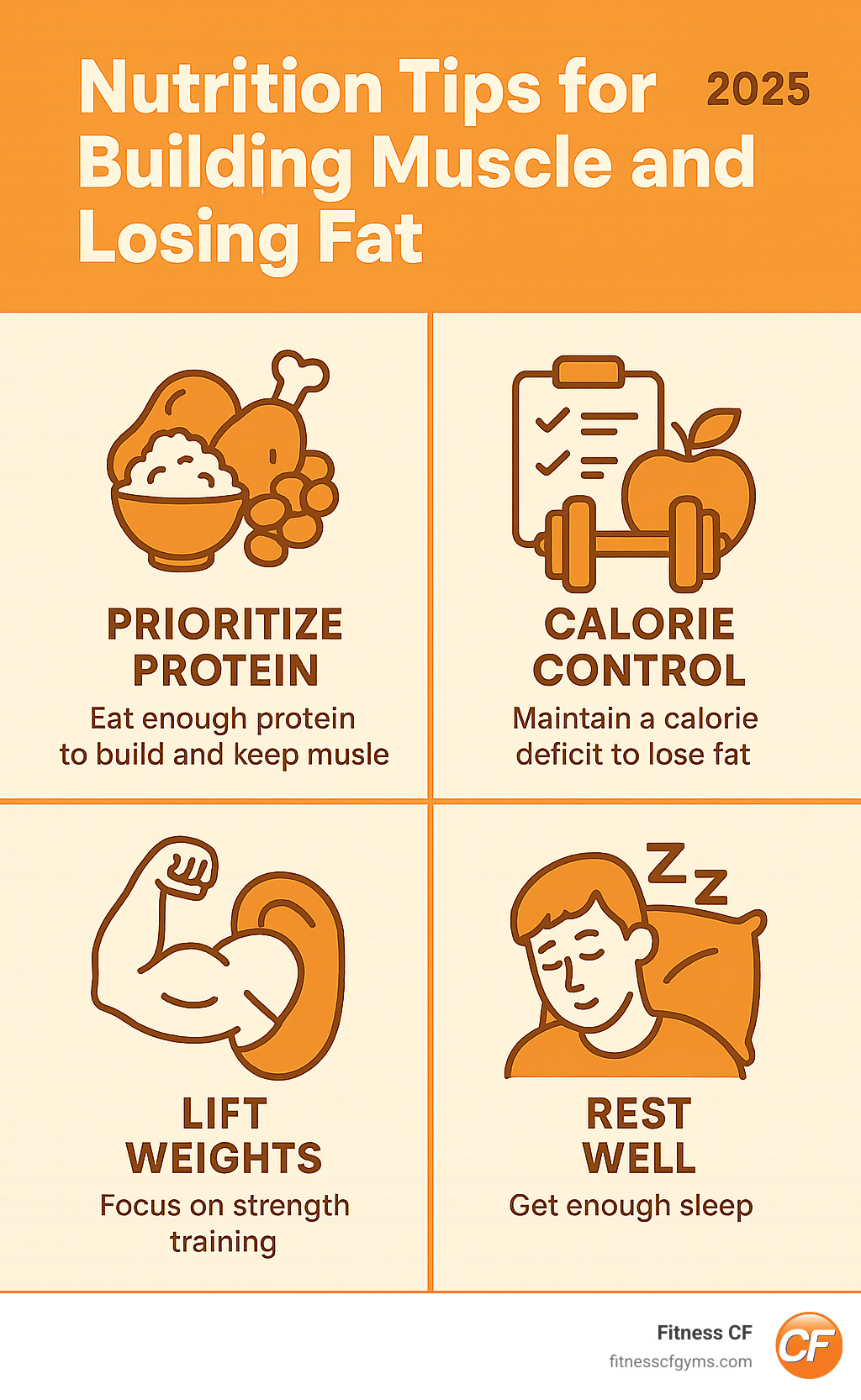
The Big Three: Macronutrients 101
To truly understand fitness nutrition, you need to get familiar with the “big three” macronutrients: carbohydrates, proteins, and fats. Each plays a unique and vital role in your body.
1. Carbohydrates: Your Body’s Primary Energy Source
Carbohydrates are not the enemy! In fact, they are your body’s preferred source of energy. When you consume carbs, your body breaks them down into glucose, which is then used as fuel for your brain and muscles.
Simple Carbohydrates: These are quickly digested and provide a rapid burst of energy. Think of things like sugar, white bread, and sugary drinks. While they have their place (like a quick energy boost before a tough workout), they can also cause a blood sugar spike followed by a crash, leading to fatigue.
2. Protein: The Building Blocks of Your Body
Protein is the MVP of muscle repair and growth. After a workout, your muscle fibers are torn and need to be rebuilt, and protein is the material your body uses for this process. It’s also essential for a healthy immune system, hormone production, and overall cellular function.
Animal-Based Sources: Chicken breast, lean beef, fish, eggs, and dairy products like Greek yogurt and cottage cheese are excellent sources of complete protein, meaning they contain all the essential amino acids your body needs.
3. Fats: Essential for Hormones and Health
Just like carbs, fats have gotten a bad rap, but they are absolutely essential for your health. Healthy fats are crucial for hormone production, nutrient absorption, brain function, and joint health.
Unsaturated Fats: These are the “good” fats. Found in avocados, nuts (almonds, walnuts), seeds (chia, flax), and olive oil. They are great for heart health and reducing inflammation.
Timing is Everything: Pre- and Post-Workout Nutrition
What you eat before and after your workout can significantly impact your performance and recovery.
Pre-Workout Fuel
Your pre-workout meal or snack should be focused on providing easily digestible carbohydrates for energy and a little protein to prevent muscle breakdown. The goal is to fuel your body without feeling heavy or sluggish.
If you have 2-3 hours before your workout: A balanced meal with complex carbs and lean protein is ideal. Something like grilled chicken with a sweet potato or a bowl of oatmeal with berries and a scoop of protein powder.
Post-Workout Recovery
This is a critical window for recovery. After your workout, your muscles are like sponges, ready to soak up nutrients to repair and rebuild. Your post-workout meal should focus on a combination of protein and carbohydrates.
Protein: To kickstart muscle repair. A protein shake, a serving of Greek yogurt, or some lean chicken.
Hydration: The Unsung Hero
It’s easy to focus on food and forget about the most fundamental nutrient of all: water. Proper hydration is non-negotiable for a successful fitness journey.
Performance: Even a small amount of dehydration can negatively impact your workout performance, leading to fatigue, reduced endurance, and muscle cramps.
Beyond the Plate: Building Healthy Habits
Nutrition isn’t just about what you eat; it’s also about how you approach your relationship with food.
Consistency Over Perfection
No one eats perfectly all the time. The key is to be consistent with your healthy choices. Don’t let one “cheat meal” derail your entire week. It’s about a long-term, sustainable approach. Focus on making good choices most of the time, and you’ll see results.
Meal Planning and Preparation
Taking the time to plan your meals for the week can be a game-changer. It helps you stay on track, avoid last-minute unhealthy choices, and saves you time and money.
Batch Cook: Cook large batches of staples like chicken, brown rice, and roasted vegetables.
Reading Nutrition Labels
Get in the habit of reading the nutrition labels on packaged foods. Pay attention to serving sizes, sugar content, and the types of fats. This will help you make more informed decisions about what you’re putting into your body.
Listening to Your Body
Your body is incredibly smart. Learn to recognize the difference between physical hunger and emotional cravings. Pay attention to how different foods make you feel. Do you feel energized after a certain meal or sluggish? Use this information to guide your choices.
Final Words of Encouragement
Starting a new fitness journey can be overwhelming, especially when it comes to nutrition. But remember, this isn’t about being perfect. It’s about progress, not perfection.
Start with one small, manageable change. Maybe it’s adding a serving of vegetables to your dinner, or swapping your sugary soda for water. Once that becomes a habit, add another. These small, consistent changes will add up to significant, lasting results.
Embrace this journey with patience and self-compassion. Celebrate your successes, learn from your setbacks, and enjoy the process of building a stronger, healthier you from the inside out. Your body will thank you for it.


