
Aches and Pains: Your Guide to Simple Exercises for Back Pain Relief
Back pain. It’s a common ailment that affects millions of people worldwide, and it can be a real roadblock in your daily life. Whether you’re dealing with a dull ache after a long day at work, a sharp twinge when you bend over, or chronic discomfort that just won’t go away, it can be frustrating and debilitating. But what if I told you that you don’t need a gym membership, fancy equipment, or even a personal trainer to start feeling better? The truth is, some of the most effective ways to combat back pain are simple, gentle exercises you can do right in your living room.
This article is for you, the everyday person who just wants to feel a little more comfortable in their own skin. We’re going to talk about simple, accessible exercises that focus on building strength, improving flexibility, and promoting better posture—all key components in a long-term strategy for back pain relief. This isn’t about pushing through pain; it’s about listening to your body and giving it the gentle movement it needs to heal and strengthen itself.
Before we dive into the exercises, a quick disclaimer: If you’re experiencing severe or persistent back pain, it’s always a good idea to consult a healthcare professional. This guide is for general informational purposes and should not replace professional medical advice.
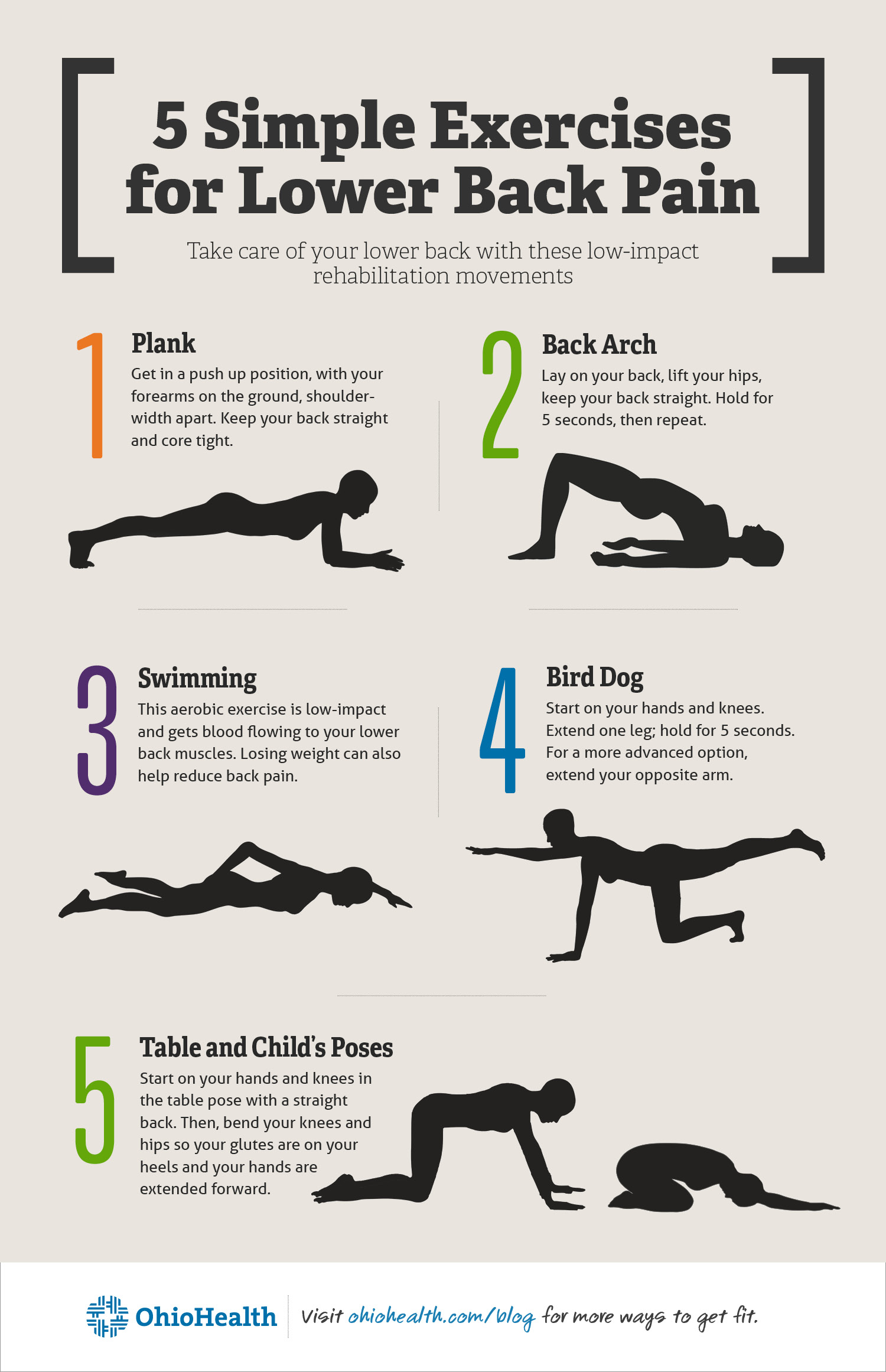
Why Do These Simple Exercises Matter?
Think of your back like a complex system of muscles, ligaments, and bones. When one part of that system is weak or tight, it can put undue stress on other areas, leading to pain. For example, weak core muscles (your abs and obliques) can force your lower back to overcompensate, causing strain and discomfort. Similarly, tight hamstrings can pull on your pelvis, leading to poor posture and a curved spine.
The exercises we’re about to discuss are designed to address these common issues. They focus on:
Core Strengthening: A strong core acts like a natural corset, supporting your spine and taking pressure off your lower back.
Let’s Get Started: The Exercises
Remember, the key here is to go slow and listen to your body. You should feel a gentle stretch or a light engagement of your muscles, not sharp pain. If anything hurts, stop immediately.
This is a fantastic warm-up and a great way to gently mobilize your spine. It helps to increase flexibility and relieve tension in your back muscles.
How to do it: Start on your hands and knees, with your hands directly under your shoulders and your knees under your hips. Your back should be in a neutral, flat position.
This exercise is a powerhouse for core stability and balance. It strengthens your core, glutes, and lower back, all of which are essential for a healthy spine.
How to do it: From the same hands-and-knees position as the Cat-Cow, make sure your back is flat.
Bridges are excellent for strengthening your glutes and hamstrings, which play a crucial role in supporting your lower back. They also help to improve hip mobility.
How to do it: Lie on your back with your knees bent and your feet flat on the floor, about hip-width apart. Your arms should be resting at your sides.
This is a simple, gentle stretch that can provide immediate relief to your lower back. It helps to release tension in the lower back muscles and hamstrings.
How to do it: Lie on your back with your legs extended.
This is a small but mighty exercise for improving core control and spinal mobility. It’s particularly helpful for those who spend a lot of time sitting.
How to do it: Lie on your back with your knees bent and feet flat on the floor.
Twists are a great way to increase spinal mobility and release tension in your mid- and upper-back.
How to do it: Sit on the floor with your legs extended in front of you. Bend your right knee and place your right foot on the outside of your left knee. You can keep your left leg straight or bend it and tuck it close to your body.
Child’s Pose is a classic yoga pose that provides a wonderful, restorative stretch for your entire back.
How to do it: Start on your hands and knees.
Putting It All Together: A Simple Routine
Consistency is key when it comes to seeing results. Try to incorporate these exercises into a daily routine. You can do them all at once, or break them up throughout the day. Here’s a sample routine you can follow:
Warm-up: 10-15 repetitions of Cat-Cow.
The Importance of Listening to Your Body
I can’t stress this enough: your body is your best guide. Some days you might feel more flexible, and other days you might feel stiffer. Don’t push yourself to perform an exercise perfectly if it causes discomfort. The goal is to move gently and mindfully, not to achieve a certain position.
The Journey to a Pain-Free Back
Back pain can feel like an insurmountable challenge, but it doesn’t have to define your life. By incorporating these simple, low-impact exercises into your daily routine, you’re not just treating a symptom—you’re building a stronger, more resilient foundation for your body. You’re improving your posture, increasing your flexibility, and strengthening the muscles that support your spine.
Remember that this is a journey, not a quick fix. Be patient with yourself. Celebrate the small victories, like a day with less stiffness or the ability to bend down without a twinge. Over time, you’ll likely notice a significant improvement in your overall comfort and well-being. So, find a quiet spot in your home, roll out a mat or a towel, and start your journey to a happier, healthier back today.


:max_bytes(150000):strip_icc()/OutdoorWorkouts-02-2-61cf2d0967884af9b3589fd60516b7cb.png?resize=200,135&ssl=1 "On-the-Go Gains: Quick Workouts For Your Travel Days")
