
Here is a long-form article about how to start a sport.biz.id/category/fitness’>fitness habit, written in a casual, conversational style. The article is over 2000 words and is formatted for a WordPress blog.
How to Start a Fitness Habit (and Actually Stick With It This Time)
Let’s be real. We’ve all been there. The calendar flips to January 1st, we make a big, bold resolution to “get fit,” and for a glorious week, we’re a gym superhero. We’re hitting the weights, pounding the pavement, and meticulously tracking our every calorie. Then, life happens. The alarm clock gets snooze-buttoned one too many times, a work deadline looms, or we just… lose the mojo. And just like that, our fitness dreams are back on the shelf, collecting dust until the next wave of guilt and motivation hits.
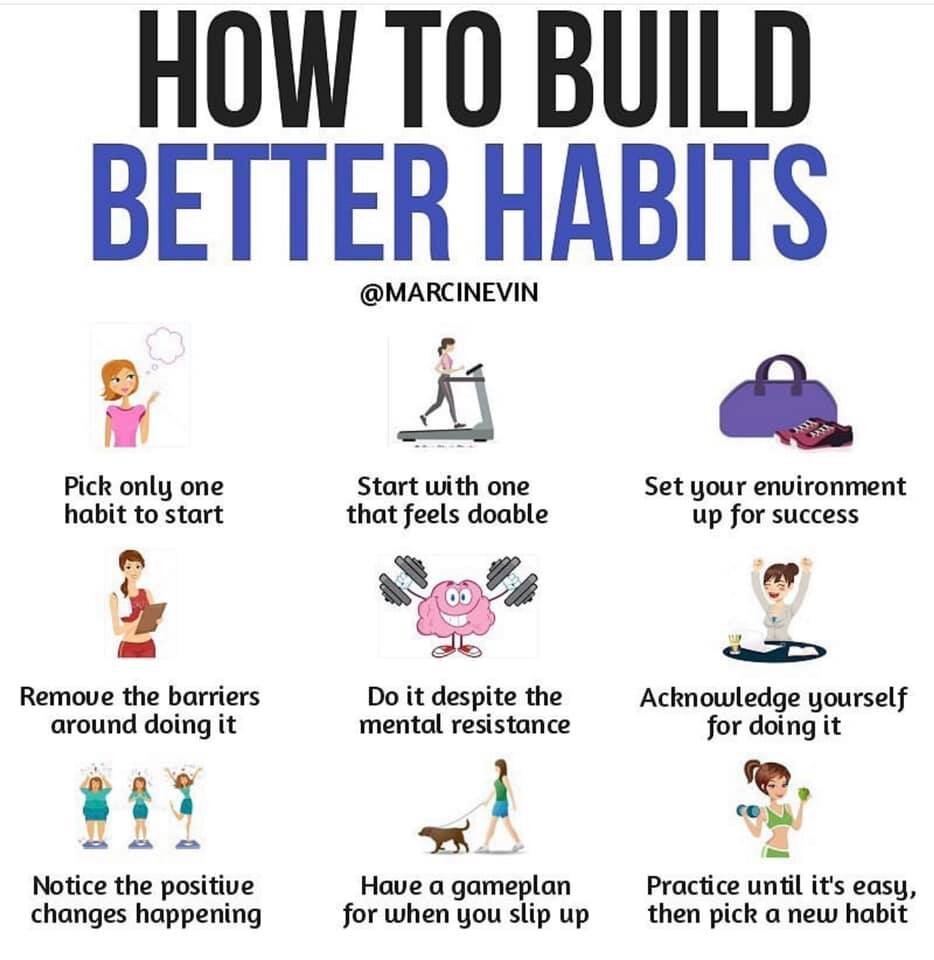
If this sounds like you, you are in excellent company. The struggle to start and, more importantly, maintain a fitness habit is one of the most common challenges people face. But what if I told you that it’s not about willpower, grit, or some secret, magic bullet? What if the key to building a lasting fitness routine is simply about changing your approach?
That’s exactly what we’re going to dive into today. We’re going to ditch the all-or-nothing mindset and instead, build a sustainable, enjoyable, and genuinely effective routine from the ground up. This isn’t about becoming a world-class athlete overnight. It’s about finding a way to move your body that you actually look forward to, a way that makes you feel good, and a way that fits seamlessly into your real, messy, beautiful life.
So, grab a cup of coffee (or a green smoothie, if you’re already in the zone), get comfortable, and let’s get started on building a fitness habit that will finally stick.
Step 1: Ditch the Guilt and Embrace the “Why”
Before you even think about buying a new pair of sneakers or signing up for a gym membership, we need to address the elephant in the room: guilt. Many of us approach fitness from a place of “should.” I should work out. I shouldn’t have eaten that pizza. This is the surest way to sabotage your efforts before you even begin.
Instead of focusing on what you “should” do, let’s focus on your “why.” Why do you want to get fit?
Is it to have more energy to play with your kids or grandkids? Is it to feel more confident in your clothes? Is it to improve your mental clarity and reduce stress? Is it to prevent future health problems? Is it simply because you want to feel strong and capable?
Your “why” is your North Star. It’s the reason you’ll lace up your shoes on a day when you’d rather stay on the couch. It’s the powerful, personal motivation that will get you through the inevitable bumps in the road. Take a moment right now and write down your “why.” Be specific. Don’t just say “to be healthy.” Say, “to have the energy to hike that mountain trail I’ve always wanted to do,” or “to feel strong and resilient in my body.” This small act of self-reflection is the most important step you will take.
Step 2: Stop Chasing the “Perfect” Workout
The internet is a vast ocean of conflicting fitness advice. One guru says you must do high-intensity interval training (HIIT). Another says slow, steady cardio is the only way. Your friend swears by CrossFit. A celebrity trainer is pushing a new, expensive program. It’s enough to make your head spin.
Here’s the truth: the “perfect” workout doesn’t exist. The best workout is the one you will actually do.
This is a complete paradigm shift. Forget about what you think you’re supposed to be doing and focus on what you enjoy doing. Did you used to love playing basketball? Find a pickup game. Does the thought of running on a treadmill fill you with dread? Don’t do it! Do you find peace and focus in a yoga class? Sign up for one.
The goal at the beginning is to simply move your body in a way that feels good. This could be anything from a brisk walk around your neighborhood, dancing in your living room to your favorite playlist, a swim at the local pool, or a beginner-friendly workout video on YouTube. The activity itself is less important than the act of showing up and moving. Once you build the habit of movement, you can always adjust and refine your routine later.
Step 3: Start Ridiculously Small
This is perhaps the most crucial and most counterintuitive piece of advice. We often fall into the trap of thinking that to get results, we have to go all-in from day one. We commit to working out an hour a day, six days a week. This is a recipe for burnout.
Instead, let’s start with a commitment so small that it feels almost silly. I’m talking about 10 minutes. Can you commit to 10 minutes of movement, three times a week? That’s it. Not an hour. Not five days a week. Just 10 minutes, three times.
This is a powerful psychological trick. It lowers the barrier to entry so much that it becomes incredibly difficult to say no. When your brain tries to come up with an excuse—”I’m too tired,” “I don’t have enough time,” “I don’t have the energy”—you can counter it with, “It’s just 10 minutes. I can do anything for 10 minutes.”
Once you’ve consistently hit your 10-minute goal for a couple of weeks, you can gradually increase it. Maybe you add a fourth day. Maybe you increase the time to 15 or 20 minutes. The key is to build momentum slowly and deliberately. The habit of showing up is more important than the intensity of the workout in the beginning.
Step 4: Schedule It Like an Important Meeting
We don’t “find” time for things we care about; we make time for them. When you have a doctor’s appointment or a meeting with your boss, you put it on your calendar and you show up. You need to treat your fitness habit with the same level of respect.
Open up your calendar—whether it’s on your phone, a planner, or a sticky note on your fridge—and physically block out the time for your workouts. Be specific. Instead of “workout sometime on Monday,” write “Monday, 6:00 AM: 10-minute walk.”
This simple act transforms your intention into a concrete plan. It removes the decision-making process from your busy brain and turns it into a non-negotiable appointment. When the time comes, you’re not debating whether or not to work out; you’re simply following your schedule.
Consider pairing your workout with an existing habit. This is a concept known as “habit stacking.” For example, “After I finish my first cup of coffee, I will go for my 10-minute walk.” Or, “Right after I get home from work, I will do my 10-minute workout video.” By linking your new habit to an established one, you make it much easier for it to stick.
Step 5: Prepare for Obstacles (Because They Will Happen)
No fitness journey is a straight line. There will be days when you’re sick, days when you’re overwhelmed with work, and days when you’re just not feeling it. This is not a failure; it is a normal part of life. The key is how you respond to these obstacles.
Instead of throwing in the towel and thinking, “Well, I missed one day, so I might as well give up,” have a plan for what you’ll do.
Let’s say you’ve been consistently working out three times a week. Then, you get a nasty cold and miss a week. Don’t beat yourself up. Acknowledge that you were sick and then, when you’re feeling better, get right back on track with your next scheduled workout. You haven’t lost your progress; you’ve just taken a brief detour.
Another common obstacle is a busy schedule. If your day gets completely derailed and you can’t fit in your planned 30-minute workout, can you do 5 minutes? Can you take a quick walk around the block? The goal is to maintain the habit of movement, even if it’s a scaled-down version. Remember, consistency over perfection.
Step 6: Find Your Community (or Just an Accountability Partner)
While fitness can be a very personal journey, having a community or a partner can make a world of difference. It provides social support, motivation, and a gentle push on days when you need it.
This doesn’t mean you have to join a super intense, cliquey gym. It could be as simple as:
Finding a workout buddy: A friend, partner, or family member who is also trying to get fit. You can hold each other accountable and celebrate your successes together.
Even if you prefer to work out alone, having one person you check in with regularly can be a game-changer. Just a simple text that says, “Did you get your workout in today?” can be all the motivation you need.
Step 7: Focus on How You Feel, Not How You Look
We are constantly bombarded with images of “perfect” bodies on social media and in the media. This can create an unhealthy focus on aesthetic goals, which are often slow to appear and can be frustrating.
Instead of fixating on the number on the scale or the size of your jeans, shift your focus to how your new fitness habit makes you feel.
Are you sleeping better? Do you have more energy throughout the day? Are you feeling less stressed? Is your mood improved? Do you feel stronger?
These are the immediate, tangible benefits of exercise, and they are incredibly motivating. By focusing on these internal changes, you’ll be more likely to stick with your routine, because you’ll be getting a positive return on your investment every single day. The aesthetic changes will come in time, but the feeling of well-being is the true prize.
Step 8: Celebrate Your Wins (Big and Small)
Building a new habit is hard work, and you deserve to acknowledge your efforts. Don’t wait until you’ve hit some major milestone to celebrate. Celebrate the small victories along the way.
Did you make it to all three of your workouts this week? High five yourself!
These little celebrations release dopamine in your brain, which reinforces the positive behavior and makes you more likely to repeat it. It’s a simple but incredibly effective way to keep yourself motivated.
Step 9: Re-evaluate and Adapt
A fitness habit is not a static thing; it’s a living, breathing part of your life. What works for you today might not work for you six months from now. Life circumstances change. Your body changes. Your preferences change.
Every few months, or whenever you feel like you’re in a rut, take a moment to re-evaluate your routine.
Is your current workout still enjoyable? If not, what can you change? Maybe it’s time to try that dance class you’ve been curious about.
This willingness to be flexible and to adapt is what will make your fitness habit a lifelong practice, not just a temporary fix.
Final Thoughts: It’s All About Grace, Not Grit
If you take one thing away from this entire article, let it be this: approach your fitness journey with grace, not with grit.
Grit is about pushing through at all costs, even when you’re miserable. Grace is about listening to your body, being kind to yourself on the tough days, and understanding that progress is not linear.
Building a fitness habit isn’t about becoming a different person. It’s about finding a way to care for the person you already are, one small, consistent, and intentional step at a time. So, start small, find what you love, and give yourself the grace to get it right—and the grace to get it wrong. The most important thing is that you start. And today is the perfect day to begin.


:max_bytes(150000):strip_icc()/OutdoorWorkouts-02-2-61cf2d0967884af9b3589fd60516b7cb.png?resize=200,135&ssl=1 "On-the-Go Gains: Quick Workouts For Your Travel Days")
