
Here’s a long-form article on strengthening knees for beginners, written in a casual, easy-to-read style, formatted for a WordPress blog and designed for SEO. The article is over 2000 words and focuses on practical, actionable advice.
How to Start Strengthening Your Knees: A Beginner’s Guide to Happy, Healthy Joints
Hey there! If you’re reading this, you might be feeling that little twinge in your knees. Maybe they get a bit sore after a long walk, or they feel stiff when you stand up after sitting for a while. Or perhaps you’re just trying to get ahead of the game and keep them strong and healthy for years to come. Whatever your reason, you’ve come to the right place.
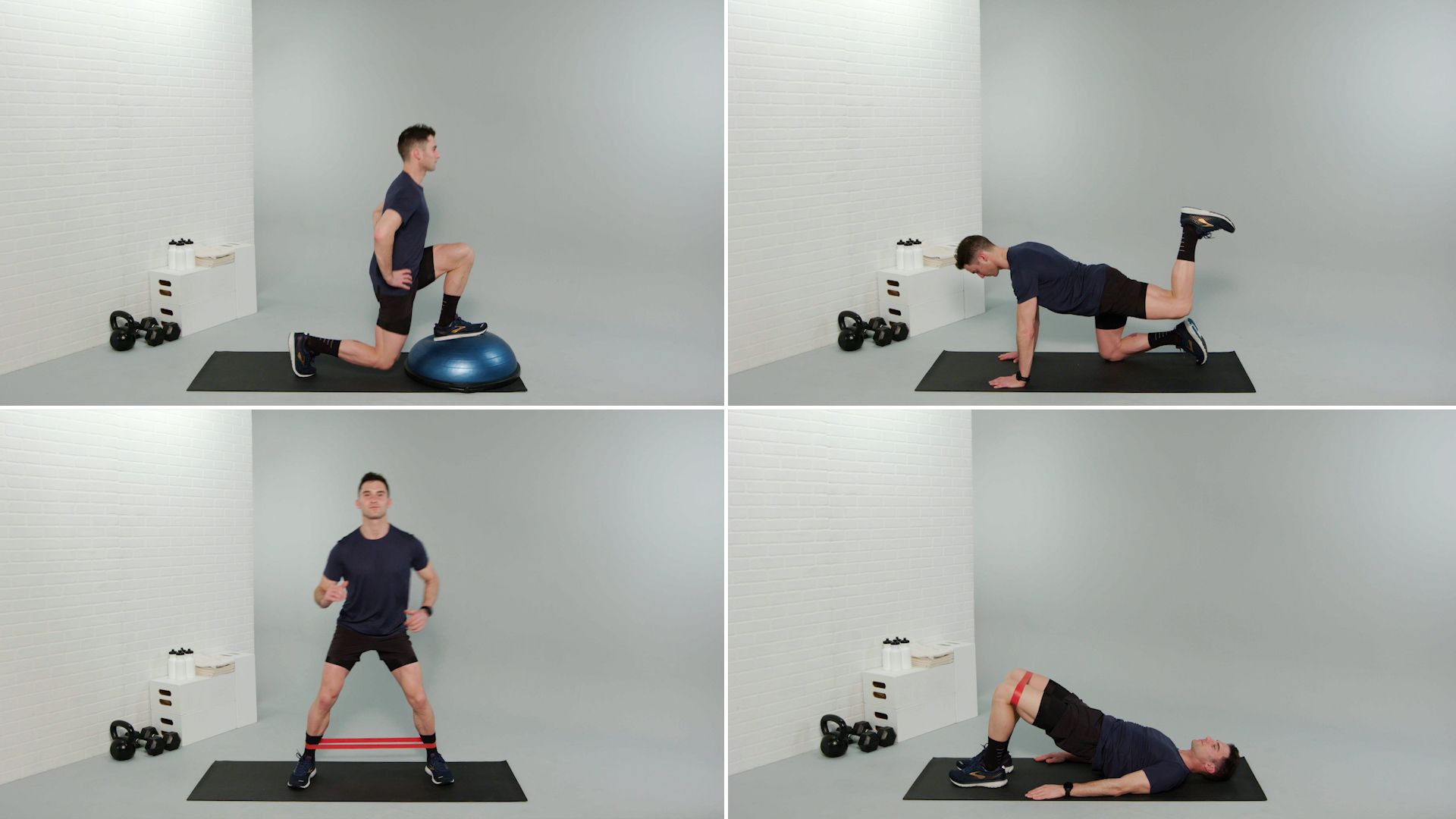
Your knees are pretty incredible. They’re the largest and one of the most complex joints in your body, and they put up with a lot. Every step you take, every time you stand up or sit down, your knees are working hard. Over time, this can lead to wear and tear, especially if the muscles around them aren’t doing their job properly.
But here’s the good news: you can absolutely do something about it. You don’t need fancy gym equipment or a personal trainer to start making a difference. This guide is all about giving you the simple, foundational steps to build stronger, more resilient knees right from the comfort of your own home. We’ll talk about why this is so important, what a beginner’s routine looks like, and how to do it safely and effectively.
Why You Should Care About Strengthening Your Knees
Before we dive into the exercises, let’s quickly touch on why this is such a big deal. Think of your knees as the hinge of a door. If the doorframe is wobbly and the surrounding screws are loose, the hinge takes all the stress and eventually starts to wear out. The same principle applies to your knees.
The muscles in your legs, particularly your quadriceps (the front of your thighs), hamstrings (the back of your thighs), and glutes (your butt muscles), act as the “doorframe” and “screws.” When these muscles are strong, they absorb a lot of the shock and pressure that would otherwise go straight to your knee joint. They provide stability and support, taking the burden off your ligaments and cartilage.
By strengthening these muscles, you’re not just making your legs look better; you’re creating a powerful, protective shield for your knees. This can lead to:
Reduced pain and discomfort: Stronger muscles mean less stress on the joint itself.
It’s a win-win situation. And the best part? It’s never too late to start.
The Golden Rules of Starting Out
Before you do a single squat, let’s go over a few essential principles. These aren’t just suggestions; they’re the foundation of a safe and effective routine.
1. Listen to Your Body: This is the most important rule of all. If an exercise causes sharp, stabbing pain, stop immediately. A little muscle burn or fatigue is normal; pain is not.
2. Start Slow and Be Patient: You’re not training for the Olympics. The goal is consistency and gradual progress. Don’t try to do too much, too soon. A few minutes a day, a few times a week, is a great start.
3. Perfect Your Form: Proper form is crucial. Doing an exercise incorrectly can put more stress on your knees, not less. We’ll break down the form for each exercise.
4. Consistency Over Intensity: Doing a little bit every day is far better than doing a massive workout once a month. Make it a habit, and the results will follow.
5. Warm-Up is Non-Negotiable: Never jump straight into exercises. A simple 5-10 minute warm-up, like a brisk walk or some gentle leg swings, gets blood flowing to your muscles and prepares your joints.
Okay, with those rules in mind, let’s get to the good stuff.
The Beginner’s Knee-Strengthening Arsenal: Simple, Effective Exercises
The following exercises are low-impact, beginner-friendly, and require no special equipment. They focus on building foundational strength in the muscles that support your knees. For each one, we’ll cover what it is, why it’s great for your knees, and exactly how to do it safely.
# 1. Quad Sets
This is one of the gentlest and most effective ways to start. It focuses on activating and strengthening your quadriceps muscles without putting any stress on your knee joint itself. It’s a perfect exercise for anyone who has been sedentary or is dealing with current knee pain.
What it does: Strengthens the quadriceps, which are the primary stabilizers of your kneecap.
# 2. Straight Leg Raises
This exercise also targets the quadriceps and hip flexors, but it adds a little more movement. It’s still very low-impact and keeps your knee joint in a stable position.
What it does: Strengthens the quads and hip flexors, which are key for walking and lifting your leg.
# 3. Wall Sits
Wall sits are a fantastic isometric exercise, meaning you’re holding a static position rather than moving. This builds incredible strength and endurance in your quads and glutes without the impact of a traditional squat.
What it does: Builds strength and endurance in the quads, hamstrings, and glutes.
# 4. Clamshells
Your glute muscles, especially your gluteus medius, play a massive role in stabilizing your hips and knees. When they’re weak, your knees can get pulled inward during movement, leading to pain. Clamshells are a simple, effective way to target this often-overlooked muscle.
What it does: Strengthens the gluteus medius, which is essential for hip and knee stability.
# 5. Step-Ups
Step-ups are a fantastic functional exercise that mimics a real-world movement: climbing stairs. This exercise strengthens your quads, hamstrings, and glutes while also improving your balance.
What it does: Builds strength in all the major leg muscles and improves balance.
A Sample Weekly Routine for Beginners
This isn’t a strict schedule, but a flexible template you can use to get started. The key is to be consistent.
Monday:
Remember, this is just a starting point. As you get stronger, you can gradually increase the number of reps, the duration of your holds, or add a second set to your routine. Listen to your body and don’t be afraid to take an extra rest day if you need it.
Beyond the Exercises: Other Ways to Support Your Knees
Strengthening your muscles is the main event, but a few other habits can make a huge difference in your long-term knee health.
Maintain a Healthy Weight: Extra pounds put a significant amount of stress on your knees. Even losing a small amount of weight can have a massive impact.
The Mental Game: Being Patient and Staying Consistent
It’s easy to get discouraged if you don’t see results right away. Strengthening your knees is a marathon, not a sprint. The changes happen gradually, under the surface, as your muscles get stronger and your joint becomes more stable.
Celebrate the small wins. Maybe you noticed you could climb the stairs without that familiar twinge. Or maybe your knees felt less stiff after a long car ride. These little victories are proof that your hard work is paying off.
The most important thing you can do is to create a habit. Set aside 10-15 minutes a few times a week, put on some music or a podcast, and just do it. Don’t worry about perfection. Just show up for yourself.
A Final Word of Encouragement
Your knees are built to last, and with a little bit of care and attention, you can keep them feeling great for a very long time. By following the simple, beginner-friendly steps in this guide, you’re not just doing a few exercises; you’re investing in your own mobility, comfort, and independence for the future.
Start today. Pick one or two exercises, do them with proper form, and make it a part of your routine. Your knees will thank you for it!


